C/C++
Debugging
Windows
Debug a crashing C program on Windows using RAD Debugger and Visual Studio.
Debug a crashing C program on Windows using RAD Debugger and Visual Studio.

Explores Qt's long history, its role in KDE and the wider software ecosystem, and how it powers desktop, embedded, automotive, medical, and industrial interfaces.
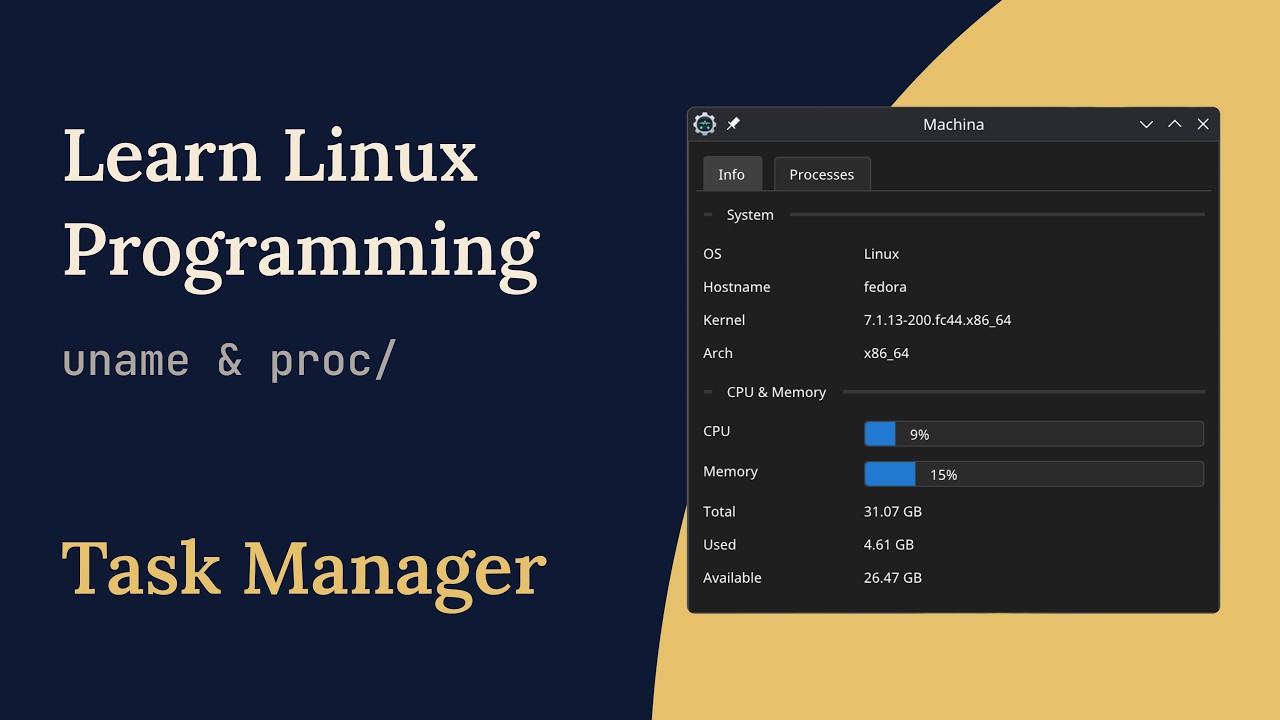
Builds a Linux system monitor while exploring uname(), the /proc filesystem, process information, memory usage, and CPU utilization.
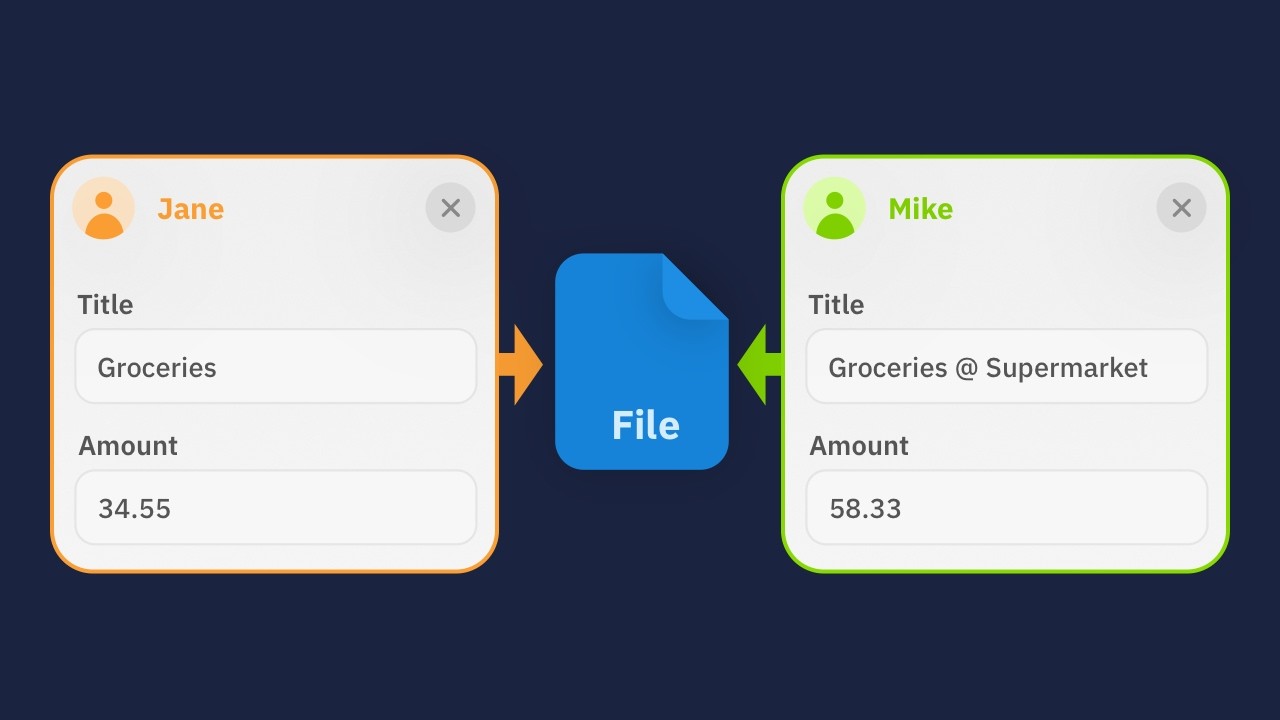
Explains how Conflict-free Replicated Data Types let multiple users or devices edit the same file, and how updates can converge across replicas.

Builds an immediate mode GUI button from scratch with Zig and Raylib, drawing the widget and handling its size, hover state, and interaction.
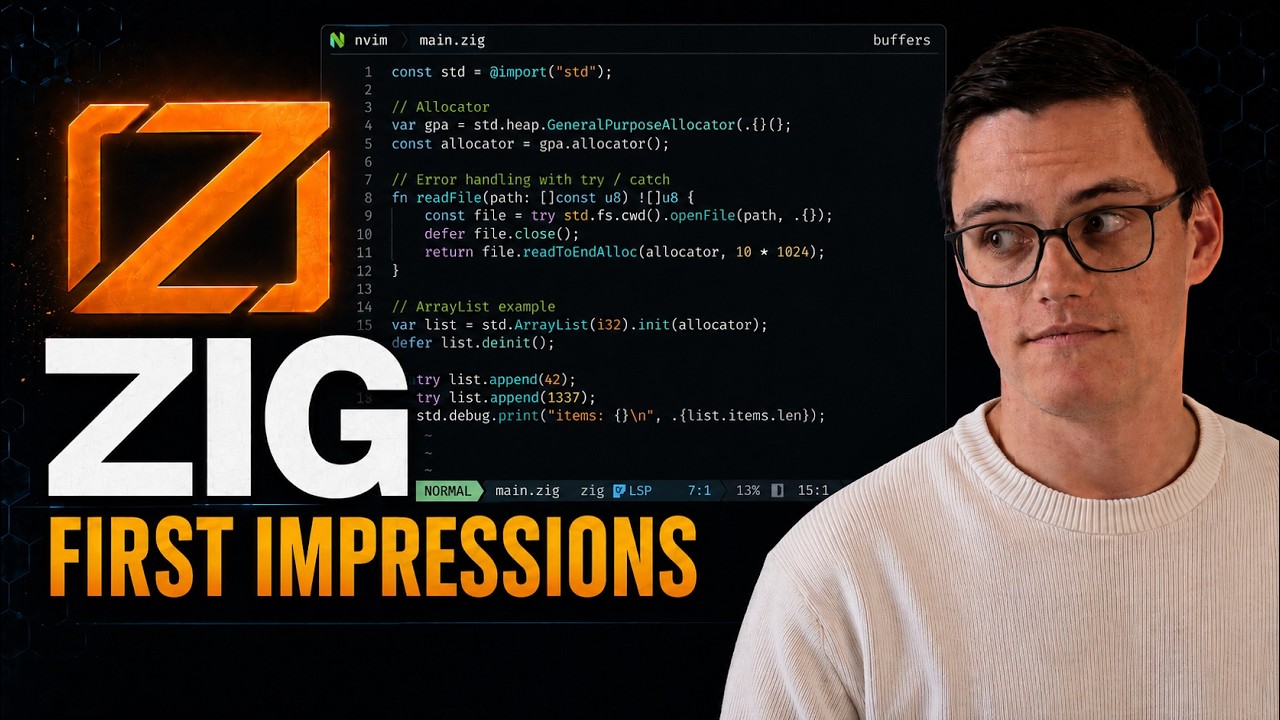
A hands-on first look at Zig, exploring its syntax, allocators, memory management, and tooling through experiments with the language.
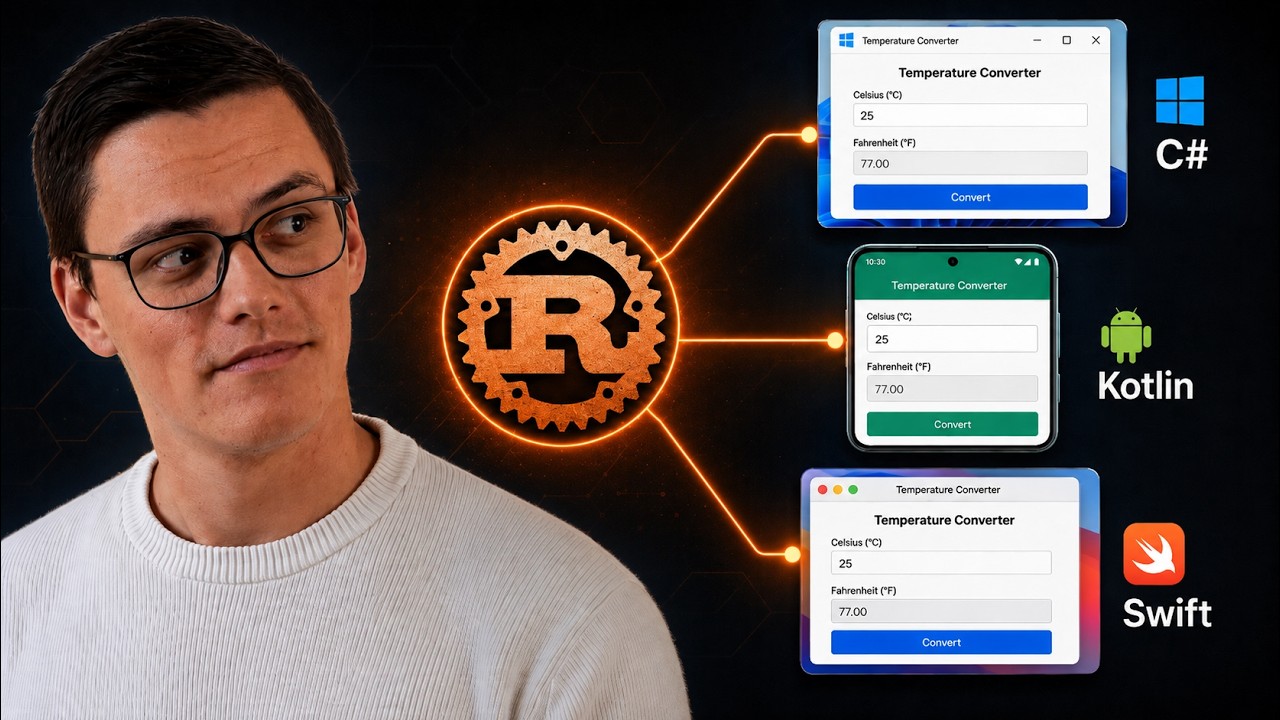
Shows how to share application logic through a Rust library while building native interfaces with WinUI 3, SwiftUI, and platform-specific Android tools.
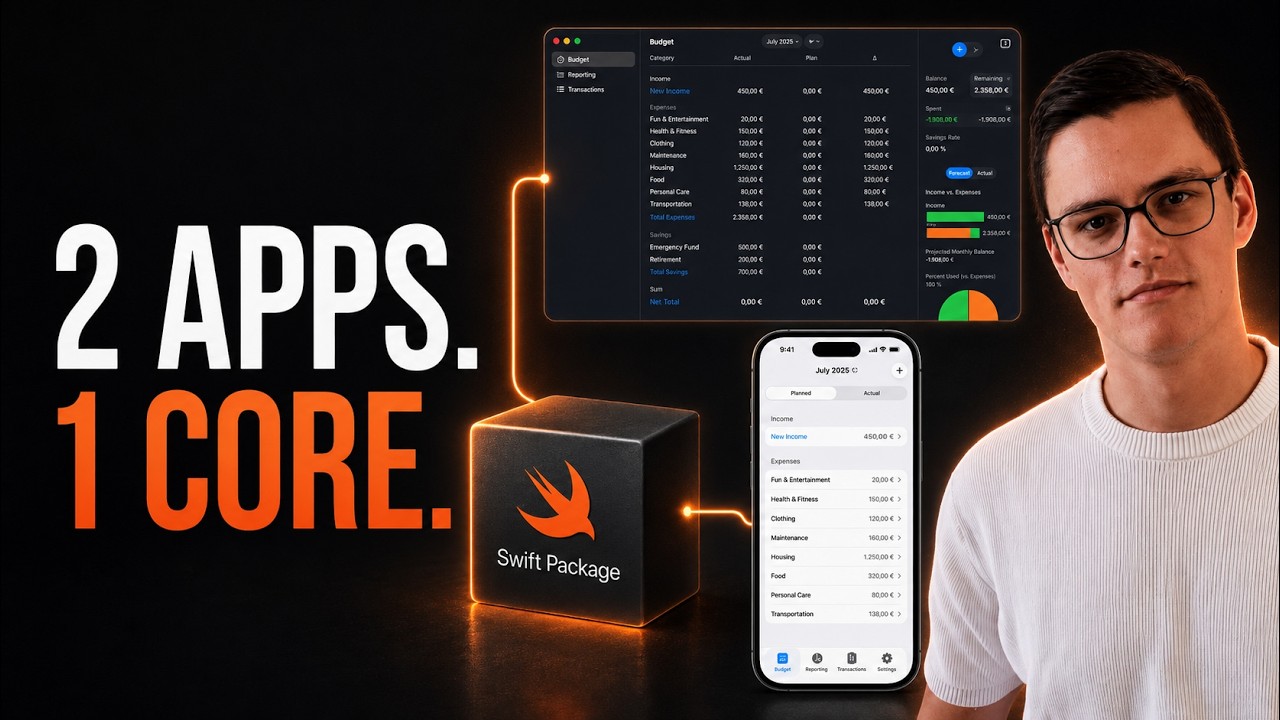
Explains how to share data models and file handling between native macOS and iOS apps while keeping platform-specific code separate.

A practical look at building Budget Warden as a native macOS app with Swift and SwiftUI, covering language design, error handling, concurrency, state, and app architecture.
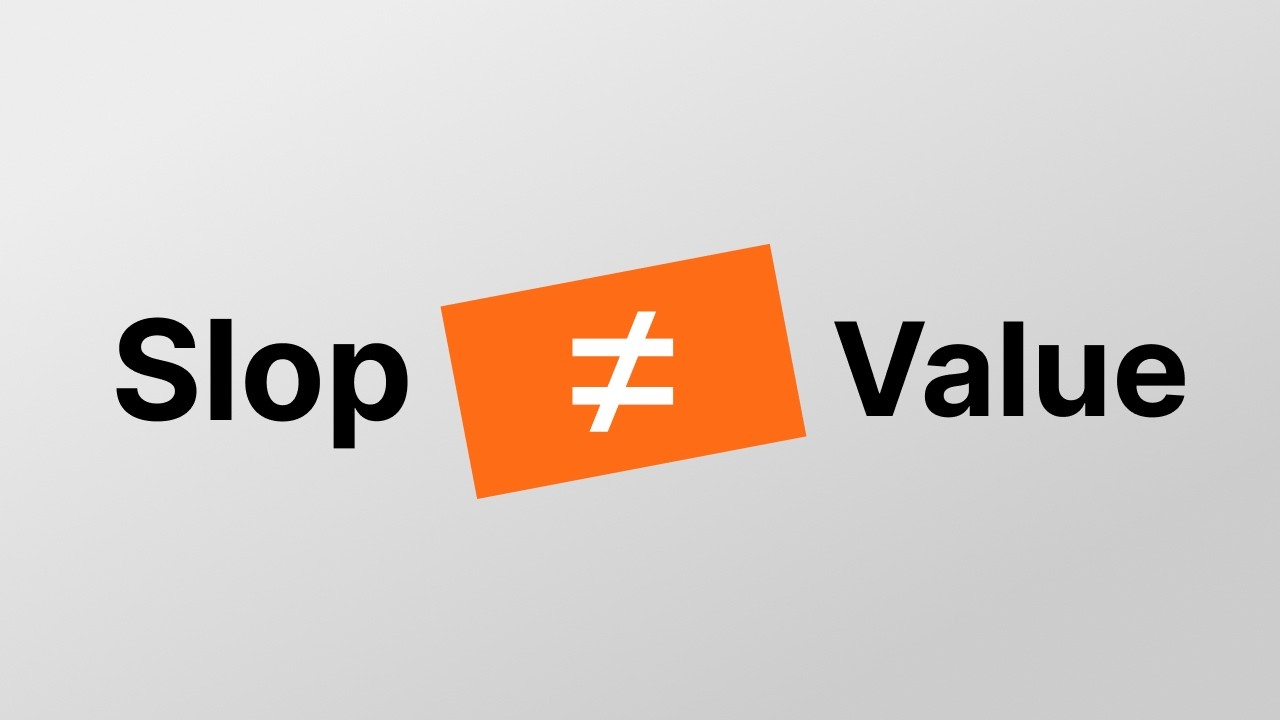
Explains why information systems fail before implementation, and why analysis, process modeling, and design matter more than generating code with AI.

Walks through the decision to rebuild Budget Warden as local-first native software with user-controlled files, simpler architecture, and a one-time payment model.

GNOME 50 shipped a meaningful performance fix for Nvidia users through a pull request making Mutter's compositor non-blocking via file descriptors and GLib event sources.