Budget Warden
A native budgeting app built around a shared Rust core.
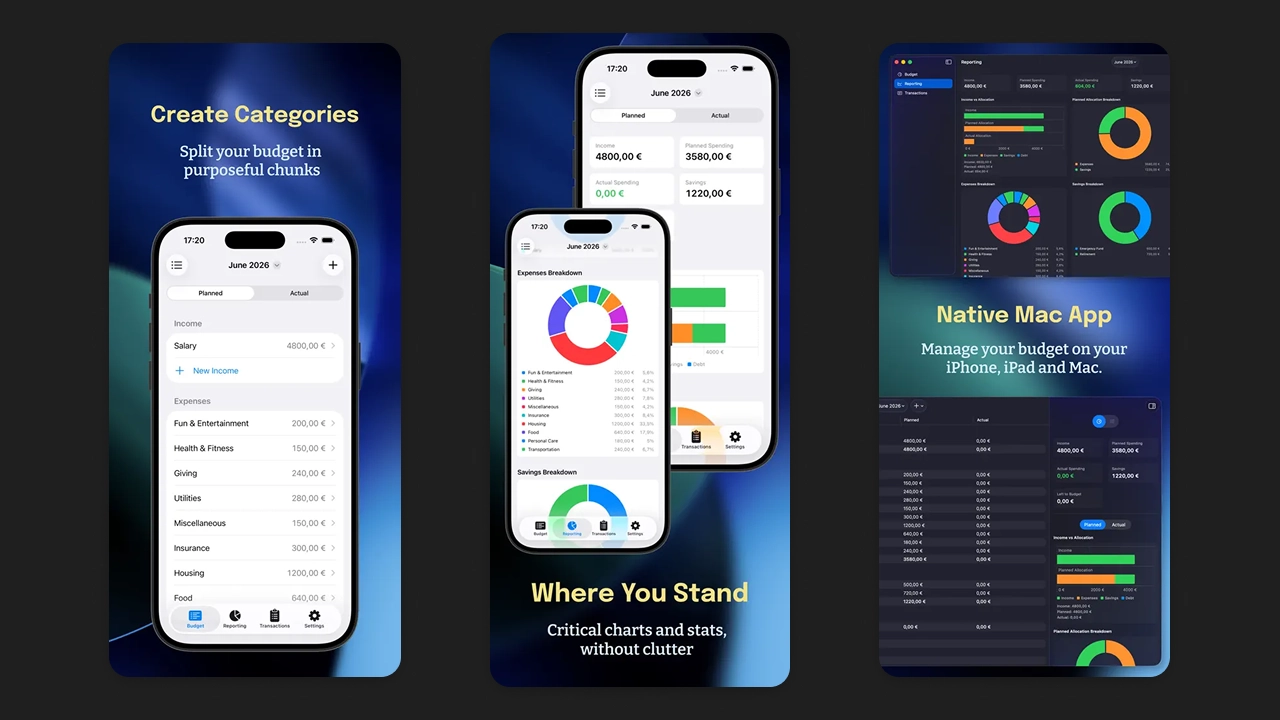
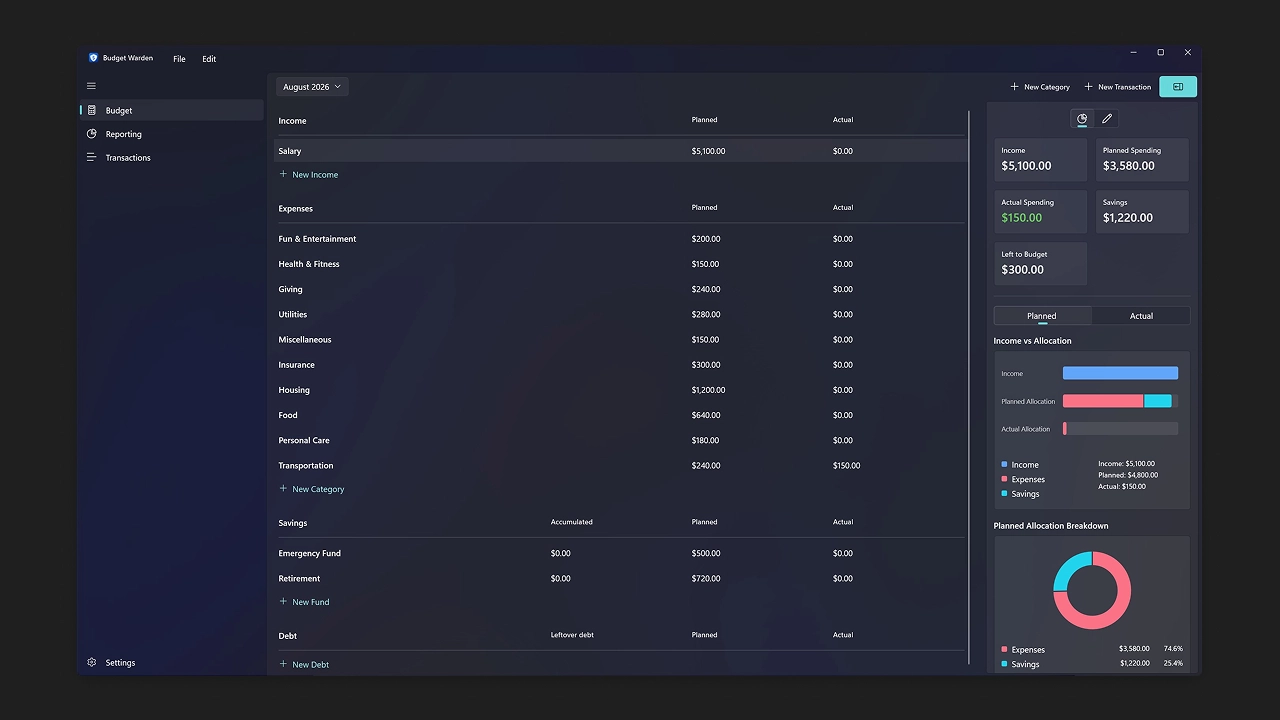
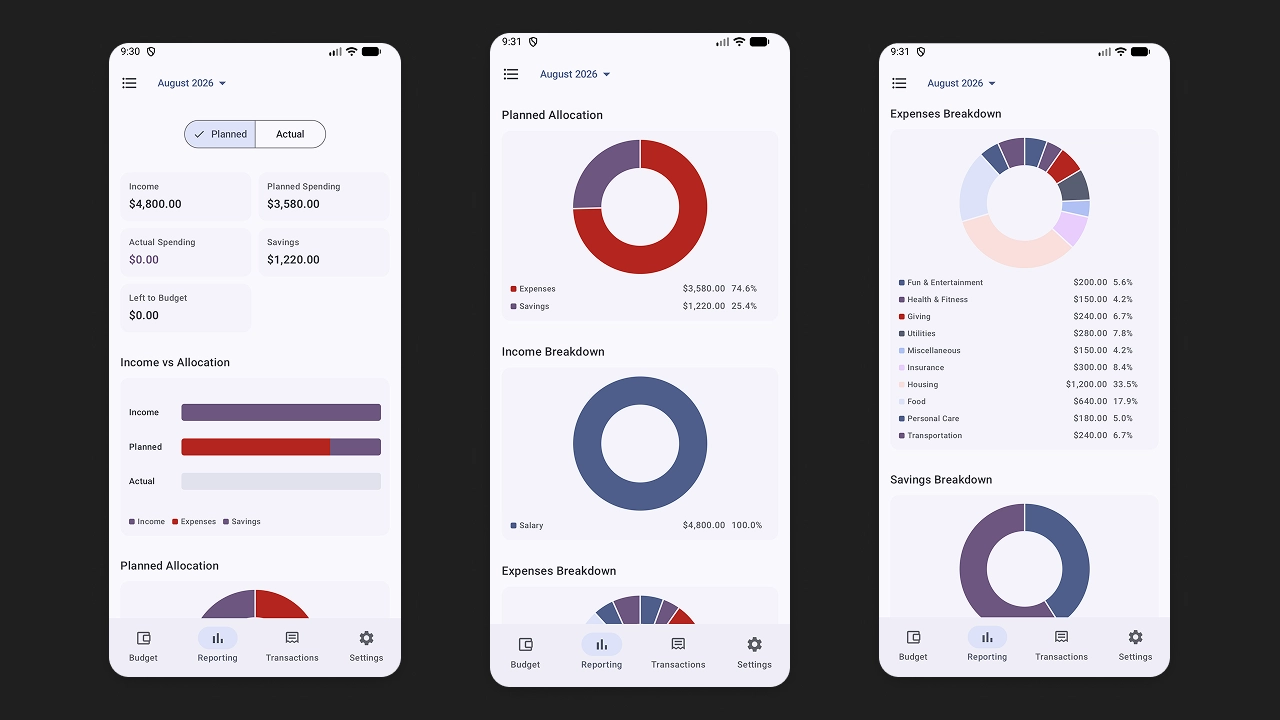
Overview
Budget Warden is not just a budgeting app. I spend an absurd amount of time on building it AND studying personal finance - the subject is a passion of mine and I wanted to build the best budgeting app I could. I initially wrote a cloud-based web & react native application. Then I completely pivoted it to a native local-first app with native UI on Mac, Windows, iOS and Android with a shared Rust core. The application is local-first but supports atomic write & merges with a CRDT data structure. This means you can share a budget warden file on a cloud drive and work simoultaniously on the file on multiple devices without a cloud service running.
It's a technical excellence project with which I tried to build a no-compromises desktop app and it might sound absurd spending so much time on a simple app the people would say they can "vibe code" in an hour, but I enjoyed building it and learned a ton. I still maintain it, work on it and use it every day.
Related Articles & Videos
This article walks through the problem of concurrent file editing in a local, single-instance desktop application and explains how the author solved it with Conflict-free Replicated Data Types (CRDTs), using a Hybrid Logical Clock with a device id as a tie-breaker to guarantee deterministic convergence.
Walks through the decision to rebuild Budget Warden as local-first native software with user-controlled files, simpler architecture, and a one-time payment model.

A practical look at building Budget Warden as a native macOS app with Swift and SwiftUI, covering language design, error handling, concurrency, state, and app architecture.
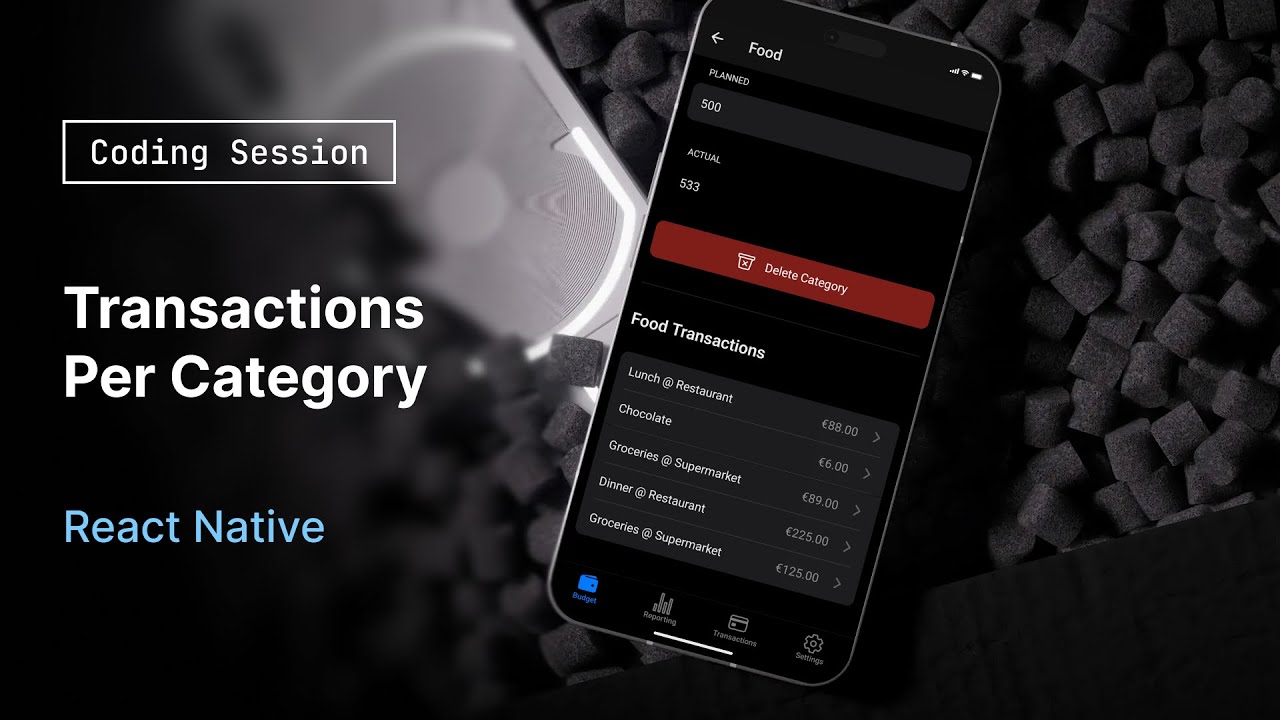
In this coding session, I implement a complete category-specific transactions view in Budget Warden, my React Native personal finance app.
I update my React Native app, Budget Warden, for the upcoming iOS 26 release—focusing on the new Liquid Glass design language.
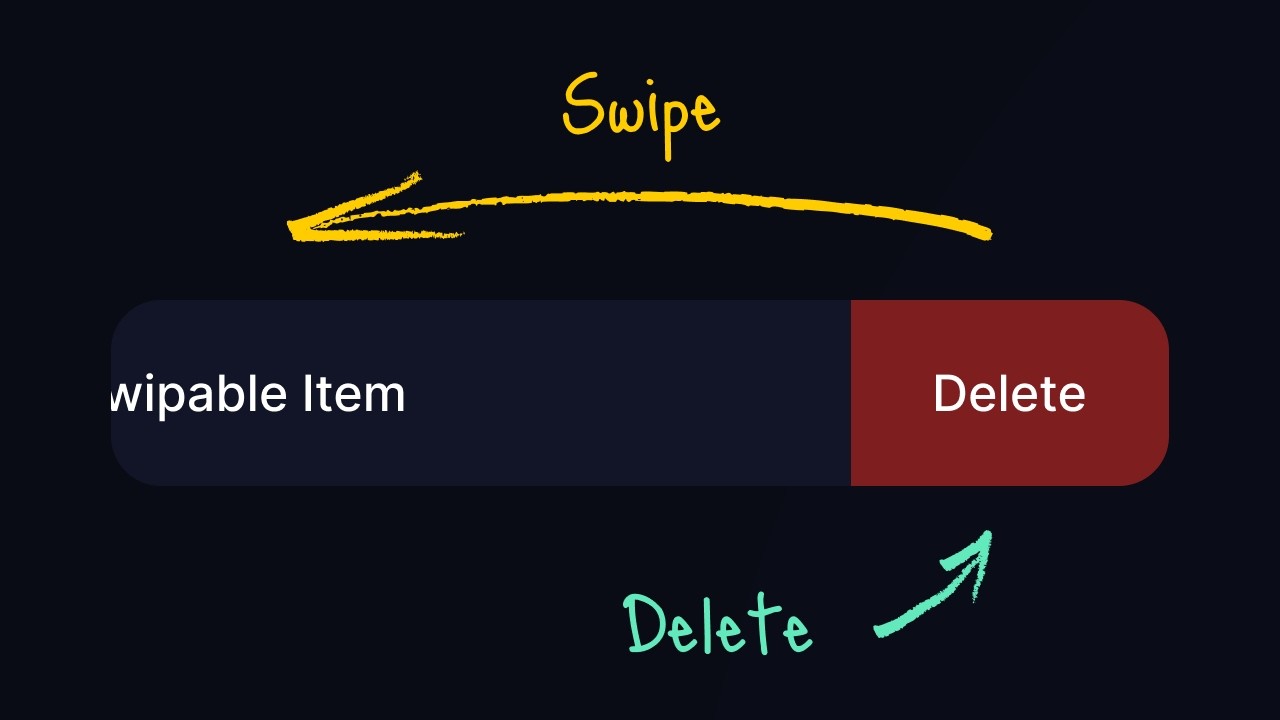
In this session, I test Claude Code (Sonnet 4) by using it to implement a real feature in my React Native app—Budget Warden, a personal finance tracker.

In this full, unscripted 6-hour live build, I create a complete product and marketing website for my personal finance app, Budget Warden.

I dive into building an automated testing suite for Budget Warden, my personal finance budget tracking app.
In this video I will build the primary user interface layout and components of the personal budget application.